I am going to carry one with my series of short articles or tidbits on Transaction SQL math functions. Most, if not all, of these functions have been in the product before the release of SQL Server 2005. I am very proud of my daughter making the advance math class in sixth grade. I am dedicating these blogs to her hard class work and love of the subject. I will be exploring the FLOOR() function today. This function takes as input a expression in either exact numeric or approximate numeric…
Category: SQL Tidbits
A series of very short articles exploring functions provided by Microsoft SQL Server 2012.
Math Functions – CEILING()
I am going to continue my series of short articles or tidbits on Transaction SQL math functions. Most, if not all, of these functions have been in the product before the release of SQL Server 2005. I am very proud of my daughter making the advance math class in sixth grade. I am dedicating these blogs to her hard class work and love of the subject. I will be exploring the CEILING() function today. This function takes as input a expression in either exact numeric or approximate numeric form. This…
Math Functions – ABS()
I am going to start a series of short articles or tidbits on Transaction SQL math functions. Most, if not all, of these functions have been in the product before the release of SQL Server 2005. I am very proud of my daughter making the advance math class in sixth grade. I am dedicating these blogs to her hard class work and love of the subject. I will be exploring the absolute values, ABS() function today. This function takes a expression in either exact numeric or approximate numeric form and…
Conversion Functions – TRY_PARSE()
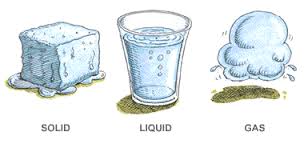
I am going to bring closure to my series of very short articles on type conversion functions available in the Transaction SQL (T-SQL) language. One analogy of a data type conversion is apply the correct action to change the physical form of water (H2O). You can convert water to ice by cooling it. You can convert water to vapor by heating it. However, the chemical composition of water is still the same! Information is stored in a database as rows in a table. Each field in a table is defined…
Conversion Functions – TRY_CAST()
I am going to make headway on my series of articles (tidbits) on type conversion functions available in the Transaction SQL (T-SQL) language. One analogy of a data type conversion is apply the correct action to change the physical form of water (H2O). You can convert water to ice by cooling it. You can convert water to vapor by heating it. However, the chemical composition of water is still the same! Information is stored in a database as rows in a table. Each field in a table is defined with…
Conversion Functions – TRY_CONVERT()
I am going to carry on with my series of articles (tidbits) on type conversion functions available in the Transaction SQL (T-SQL) language. One analogy of a data type conversion is apply the correct action to change the physical form of water (H2O). You can convert water to ice by cooling it. You can convert water to vapor by heating it. However, the chemical composition of water is still the same! Information is stored in a database as rows in a table. Each field in a table is defined with…
Conversion Functions – PARSE()
I am going to continue the series of articles (tidbits) on type conversion functions available in the Transaction SQL (T-SQL) language. One analogy of a data type conversion is apply the correct action to change the physical form of water (H2O). You can convert water to ice by cooling it. You can convert water to vapor by heating it. However, the chemical composition of water is still the same! Information is stored in a database as rows in a table. Each field in a table is defined with a certain…
Conversion Functions – CAST()
I am going press on with my series of articles (tidbits) on type conversion functions available in the Transaction SQL (T-SQL) language. One analogy of a data type conversion is apply the correct action to change the physical form of water (H2O). You can convert water to ice by cooling it. You can convert water to vapor by heating it. However, the chemical composition of water is still the same! Information is stored in a database as rows in a table. Each field in a table is defined with a…
Conversion Functions – CONVERT()
I am going to start a series of articles (tidbits) on type conversion functions available in the Transaction SQL (T-SQL) language. One analogy of a data type conversion is apply the correct action to change the physical form of water (H2O). You can convert water to ice by cooling it. You can convert water to vapor by heating it. However, the chemical composition of water is still the same! Information is stored in a database as rows in a table. Each field in a table is defined with a certain…
Controlling The Flow – Part 4
I am going to continue my articles (tidbits) on controlling the execution flow of statements in a Transaction SQL (T-SQL) program. Every program has to be deterministic on what step to execute next. Otherwise, the computer would be clueless on what to do next. The only exception to this rule is error handling. A runtime error may cause the program to branch to a error handler and exit the program. Today, I want to talk about how to use the GOTO statement. I never use this statement during my coding…